Yunnan's April Mushroom Foraging: A Traveler's Guide to Safe, Legal, and Delicious Forest Harvesting
April 2026 brings Yunnan's wild mushroom season—morels, porcini, and matsutake preparation. Here's how to forage safely, legally, and deliciously with local experts.
The Spring Awakening of Yunnan's Fungal Kingdom
April 2026 marks the beginning of one of Yunnan's most extraordinary natural phenomena—the emergence of wild edible mushrooms across the province's dramatic elevation gradients. For travelers drawn to authentic culinary experiences, this season offers something increasingly rare: the chance to participate in an ancient food-gathering tradition that predates written history in these mountains. But here's the reality most glossy travel brochures won't tell you—successful, safe, and legal mushroom foraging in Yunnan requires preparation, partnerships, and respect for complex regulatory landscapes.
The Bai and Yi communities of western Yunnan have stewarded these forests for millennia, developing intimate knowledge of microclimates, soil conditions, and the subtle timing cues that determine when porcini push through pine needle duff or matsutake emerge from their symbiotic relationships with oak roots. What looks like a simple walk in the woods to outsiders represents generations of accumulated ecological wisdom. Foreign travelers who approach this season with humility and proper local connections discover experiences that transcend typical tourism—though those who venture unprepared risk everything from severe poisoning to legal complications.
Understanding the Elevation Calendar: When and Where to Find Specific Varieties
Yunnan's topography creates what mycologists call "vertical migration" of mushroom fruiting, with different species emerging at predictable intervals as spring warmth climbs from valley floors to alpine ridges. April 2026 sits at the threshold of this progression, making timing absolutely critical for specific targets.
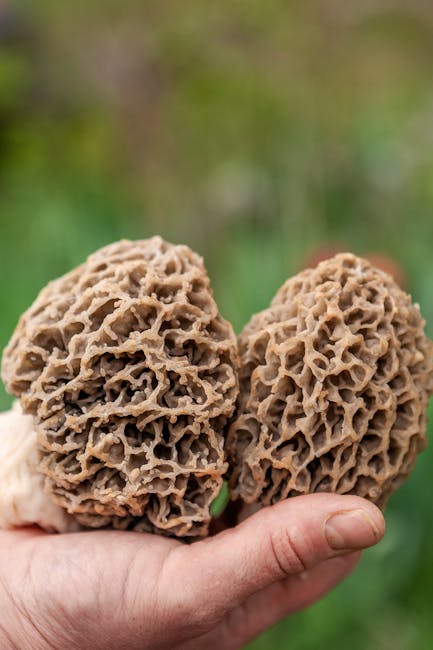
Morels (Morchella conica and related species) represent the earliest commercial harvest, typically appearing between late March and mid-April at elevations between 1,800 and 2,400 meters. These honeycombed delicacies favor recently disturbed soils—burn areas, landslide zones, and the edges of agricultural clearings. In the Dali outskirts, particularly around Cangshan Mountain's lower western slopes, experienced foragers report consistent morel patches where forest fires occurred two to three years prior. The 2023 fire season created extensive morel habitat now reaching prime productivity, with dried specimens currently commanding 800-1,200 yuan per kilogram at local markets.
Porcini (Boletus edulis and B. aereus) begin emerging in mid-to-late April at similar elevations, though their season extends longer. Unlike morels, porcini require established mycorrhizal relationships with pine and oak species, meaning they appear in mature forest rather than disturbed ground. The Lijiang outskirts—particularly the transition zones between Naxi agricultural terraces and upper pine forests—offer accessible porcini habitat where elevation changes dramatically within short hiking distances. Local collectors describe a "porcini window" of roughly three weeks in late April when quality peaks before summer rains trigger rapid growth and increased insect infestation.
Matsutake (Tricholoma matsutake) present the most challenging timing puzzle. These prized fungi, which can exceed 2,000 yuan per kilogram for export-grade specimens, fruit from late August through October at elevations between 2,000 and 3,000 meters. April travelers won't encounter fresh matsutake in the forest, but this timing offers crucial preparation advantages. The Naxi and Tibetan communities around Shangri-La begin their annual forest management rituals in spring, clearing competing vegetation and monitoring the health of Pinus densiflora stands that host matsutake mycelium. Participating in these preparatory activities—available through established cultural tourism programs—provides authentic insight into the labor-intensive cultivation that precedes autumn harvests.
The Critical Partnership: Why Foreign Foragers Need Local Expertise
Let's be direct about something that could save your life: visual mushroom identification from field guides or smartphone apps fails catastrophically in Yunnan's hyper-diverse fungal communities. The province hosts approximately 900 documented edible mushroom species alongside numerous toxic lookalikes, many of which lack scientific documentation or common English names. The death cap (Amanita phalloides) and destroying angel (A. virosa) species complex includes regional variants that differ subtly from European and North American descriptions. In 2019, a poorly documented Amanita species near Tengchong caused three fatalities among experienced local foragers who misidentified it as a known edible.
Safe participation requires partnership with credentialed local experts—typically village-level collectors who maintain generational knowledge and participate in county-sponsored mycological training programs. The Dali Prefecture Agricultural Bureau operates a certification system for "forest product guides" that includes 40+ hours of species identification training, first aid protocols, and sustainable harvesting techniques. These certified guides carry official documentation and maintain liability insurance through village cooperatives.
Several established partnerships exist specifically for foreign travelers. The Cangshan Mountain Ecological Cooperative near Dali employs three English-speaking certified guides who lead small-group foraging experiences (maximum six participants) during April and May. Their day-long programs include pre-dawn departure to reach productive elevations before temperature rises reduce mushroom quality, hands-on identification training with harvested specimens, and afternoon cooking instruction. Similar programs operate through the Lijiang Naxi Cultural Preservation Association, though English availability is more limited and requires advance booking through WeChat or email correspondence.
Critical safety protocols these partnerships enforce include: mandatory collection of every harvested specimen for expert verification before consumption; prohibition of solo foraging even for experienced participants; strict elevation limits based on current weather and snow conditions; and emergency communication equipment (satellite messengers in areas beyond cellular coverage). No reputable guide will permit consumption of mushrooms collected during introductory experiences—this material is reserved for educational display and spore-print analysis.
Navigating Legal Frameworks: Public Lands, Village Territories, and Permit Requirements
Yunnan's wild mushroom harvesting operates within overlapping jurisdictions that confuse even domestic Chinese travelers. Understanding these boundaries prevents serious legal complications including fines, equipment confiscation, and potential deportation for visa violations if incidents are reported to immigration authorities.
National forest reserves and nature preserves—the category includes substantial portions of Cangshan Mountain and significant areas around Lijiang's Jade Dragon Snow Mountain—prohibit all mushroom harvesting without research permits. These permits, issued through provincial forestry bureaus, require Chinese language documentation, academic affiliation, and processing times exceeding six months. Tourist foraging in these zones constitutes illegal resource extraction, with enforcement including confiscation of collection equipment and fines ranging 500-2,000 yuan. Signage is often absent or only in Chinese; GPS boundaries from OpenStreetMap frequently misclassify protected status.
Village collective forests represent the primary legal foraging opportunity for travelers. Under China's collective land tenure system, ethnic minority villages maintain customary rights to forest products within historically recognized boundaries. These territories are not marked on standard maps, and access requires explicit permission from village leadership—typically the Party secretary and elders' council in Bai communities, or the traditional dongba religious practitioners alongside administrative officials in Naxi areas.
Permission protocols vary by community but generally require: personal introduction by a trusted intermediary (your certified guide serves this function); presentation of passport and visa documentation; explicit discussion of harvesting limits, permitted species, and compensation arrangements; and participation in a brief ritual acknowledging forest spirits or local protective deities. Compensation typically takes the form of daily access fees (100-300 yuan per person in surveyed villages near Dali and Lijiang) plus percentage of commercial harvest value if specimens are sold rather than personally consumed.
The gray zone troubles many travelers: what about obvious "wild" areas without visible village presence? Absence of cultivation doesn't indicate absence of ownership. Yunnan's historical land tenure patterns created intricate mosaics of village territories, with boundaries maintained through oral tradition and periodic negotiation. Unpermitted harvesting in these zones—discoverable through village monitoring networks that track outsider movement—creates conflict that damages future tourism relationships and can escalate to police involvement.
From Forest to Table: Cooking Workshops and Culinary Integration
The transformation of fresh wild mushrooms into memorable meals represents the culmination of successful foraging, and Yunnan's culinary traditions offer techniques largely unknown outside the region. Several farm-to-table operations have developed programming specifically connecting morning forest experiences with afternoon cooking instruction.
Near Dali's Xizhou town, the Linden Centre's culinary program partners with Bai village cooks to teach traditional preparation methods. Their April 2026 schedule includes specific workshops on morel handling—cleaning the honeycomb structures without water immersion (which degrades texture), brief blanching to eliminate forest insects, and pairing with local cured ham (xuanwei huotui) in clay pot preparations. The Centre maintains relationships with specific village collectors who provide specimens when guest foraging yields are insufficient, ensuring program continuity regardless of daily forest conditions.
Lijiang's culinary infrastructure is more dispersed but includes exceptional individual operators. The Naxi cook Yang Xiulan operates a restored traditional courtyard near Shuhe Ancient Town where she teaches small groups (maximum four) to prepare porcini using techniques from her grandmother's generation. Her methods emphasize minimal processing: thin slicing, quick high-heat stir-fry with local rapeseed oil and dried chili, and immediate service to preserve the mushroom's distinctive texture. Yang's program requires advance booking through her nephew's tourism business and includes market visits to source complementary ingredients—Yunnan black vinegar, fermented bean curd, and mountain herbs—that complete traditional preparations.
Several higher-end operations have emerged targeting international food tourists. The Banyan Tree Ringha near Shangri-La offers "mycological immersion" packages combining guided foraging, laboratory spore analysis with visiting researchers, and tasting menus featuring preserved specimens from previous seasons. These programs command premium pricing (3,500+ yuan per person daily) but provide logistical sophistication—including helicopter access to remote elevation zones—that independent travelers cannot replicate.
Practical considerations for culinary participants: fresh wild mushrooms require consumption within 48 hours of harvest for optimal quality, meaning extended travel with collected specimens is impractical. Drying preserves flavor but transforms texture dramatically—acceptable for morels and porcini, unsuitable for species prized for freshness. Alcohol consumption with certain wild mushrooms, including some Coprinus species occasionally collected in Yunnan, triggers severe adverse reactions; reputable cooking programs explicitly address these interactions.
Preparing for Your April 2026 Experience
Successful participation in Yunnan's wild mushroom season requires advance preparation extending far beyond typical travel planning. Begin with physical conditioning: productive foraging sites sit at elevations requiring 2-4 hours of sustained uphill hiking on unmaintained trails. The altitude adjustment from Dali (1,900m) or Lijiang (2,400m) to productive forest zones adds additional physiological stress.
Equipment requirements are specific and largely unavailable for rental in Yunnan. Essential items include: sturdy hiking boots with ankle support for steep, often muddy terrain; breathable rain protection (April precipitation averages 60-80mm monthly with unpredictable timing); headlamp for pre-dawn departures; rigid collection containers that prevent specimen crushing (woven baskets traditional in the region, or specialized mushroom foraging packs); and comprehensive travel insurance explicitly covering outdoor recreation and emergency medical evacuation.
Most critically, establish guide relationships 60-90 days before arrival. The limited number of English-capable certified guides books completely during peak season, and last-minute arrangements inevitably connect travelers with uncredentialed operators lacking safety training or legal access permissions. Initial contact through established cultural tourism organizations—the Linden Centre, Lijiang's Naxi Dongba Cultural Museum, or Shangri-La's Tibetan Cultural Preservation Association—provides verification of guide credentials.
April 2026 offers something increasingly precious in global travel: genuine participation in living food traditions rather than staged performance. The mushrooms themselves—morels with their intense umami concentration, porcini with meaty density that satisfies even dedicated carnivores—reward proper preparation with flavors no cultivated variety approaches. But the deeper value lies in the relationships formed, the ecological knowledge transmitted, and the humble recognition that human communities have sustained these forest harvests for millennia through practices that modern visitors are privileged to witness and, when properly prepared, to share.
You Might Also Like