China Night Train Survival Guide: Soft Sleeper vs Hard Sleeper for 12+ Hour Journeys
Master China's overnight trains with our complete guide to soft vs hard sleeper classes, CR200J green giant upgrades, and essential packing strategies for 12+ hour routes.
The Romance and Reality of Overnight Rail in China
There is something undeniably cinematic about boarding a night train in China. The platform bustle, the rhythmic clatter of wheels on track, the promise of waking somewhere entirely new. But after fifteen years of sending travelers across this vast country by rail, we have learned that the difference between a memorable journey and a miserable one often comes down to decisions made weeks before departure.
China's overnight train network remains one of the most extensive and affordable ways to cover serious distance. A Beijing to Xi'an run clocks in around twelve hours. Shanghai to Kunming stretches past thirty. For international visitors, the sleeper experience offers both cultural immersion and practical efficiency—you travel while you sleep, saving a night's accommodation and arriving with a full day ahead of you.
Yet the comfort gap between accommodation classes is substantial. This guide draws on our extensive field experience and current operational data to help you choose wisely, pack appropriately, and actually rest on those marathon rail journeys.
Soft Sleeper vs Hard Sleeper: The Numbers That Matter
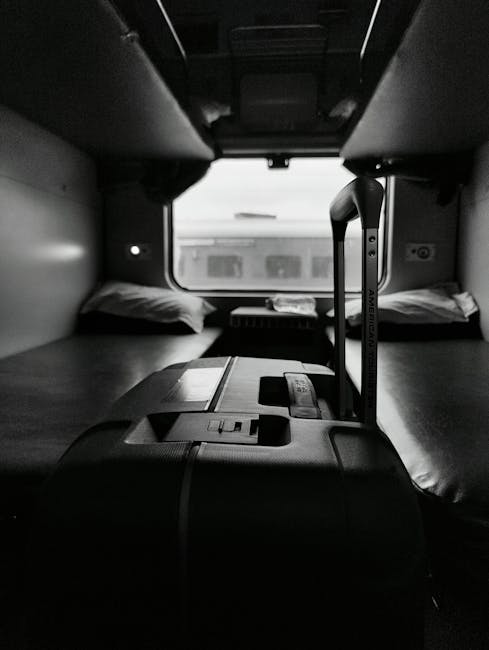
The fundamental distinction begins with compartment design. Hard sleeper carriages arrange six bunks in each open compartment—three tiers on each side, stacked vertically with roughly 70 centimeters between levels. Soft sleeper compartments house four bunks only, arranged in two tiers, with 95 centimeters of vertical clearance and a lockable sliding door.
These dimensions translate to real comfort differences. Hard sleeper bunks measure 60 centimeters wide and 180 centimeters long. For taller travelers or those with broader shoulders, this can feel constraining. Soft sleeper beds offer 75 centimeters of width and 190 centimeters of length—substantially more room to stretch and turn.
The pricing reflects this gap. Soft sleeper tickets typically run 1.3 to 1.5 times the cost of hard sleeper equivalents. On a popular route like Beijing to Xi'an, this might mean spending 400-500 RMB rather than 280-350 RMB. Whether that premium represents good value depends entirely on your priorities and physical needs.
Hard sleeper compartments are open to the corridor. Passengers walk past your sleeping space. Lights in the aisle stay dim but operational through the night. The snoring symphony of five strangers, the 3 AM arrival of new passengers fumbling with luggage, the occasional waft of cigarette smoke from the vestibule areas where smoking remains permitted on conventional K, T, and Z trains—these intrusions are part of the package.
Soft sleeper compartments seal away with sliding doors. Carpeted corridors absorb footfall noise. Each compartment contains its own luggage closet rather than open overhead racks, improving both security and peace of mind. Climate control can be adjusted within your space. For light sleepers or those with security concerns, these features justify the additional cost many times over.
Booking Strategy: Securing the Bunks You Actually Want
China's rail booking system opens thirty days in advance for online purchases, and popular sleeper routes sell out quickly during peak travel periods. Your booking strategy should account for both timing and specific bunk preferences.
Bottom bunks command premium desirability for good reason. In hard sleeper compartments, the lower tier offers the only position where a seated passenger can maintain full headroom. Upper and middle bunks require you to remain horizontal or crouch awkwardly. The bottom bunk also becomes the de facto social space during evening hours, which can be charming or invasive depending on your mood and companions.
In soft sleeper compartments, the distinction matters less for headroom but remains significant for accessibility. The lower bunks eliminate ladder climbing and provide easier bathroom access during the night. All bunks in soft sleeper class include individual reading lamps and USB charging ports on overnight D-trains, but the lower position still wins for convenience.
For female travelers concerned about privacy, China Railway introduced female-only compartments on select routes in recent years. These are not universally available and must be specifically requested during booking. When unavailable, soft sleeper's lockable door provides the next best safeguard. We generally advise solo female travelers against hard sleeper unless traveling with trusted companions, simply due to the open compartment design.
Group dynamics present interesting trade-offs. A party of six fits perfectly into one hard sleeper compartment, creating a private social bubble within the larger carriage. The same group split across two soft sleeper compartments will find two members rooming with strangers. For friend groups prioritizing shared experience over individual comfort, hard sleeper's six-berth layout can actually prove advantageous.
The 2026 CR200J "Green Giant" Upgrade
The most significant recent development in Chinese sleeper rail is the widespread deployment of CR200J trainsets, colloquially called "green giants" for their distinctive dark green livery with yellow waist stripes. These electric multiple units represent a generational leap from the locomotive-hauled carriages that dominated overnight routes for decades.
The CR200J operates at 160 kilometers per hour, faster than conventional trains but below true high-speed rail standards. More importantly for sleeper passengers, the design incorporates meaningful comfort improvements. Vibration and noise levels drop substantially compared to older rolling stock. Climate control systems prove more consistent and responsive. The bathroom facilities, while still shared, show marked improvement in cleanliness and functionality.
Power accessibility has expanded considerably. Where older hard sleeper carriages might offer two or three sockets per carriage—inevitably monopolized by the quickest passengers—CR200J soft sleeper compartments include dedicated sockets and USB ports at each bunk. This eliminates the anxiety of arriving with depleted devices and no charging opportunity.
The green giants have gradually replaced conventional stock on major trunk routes including Beijing-Shanghai, Beijing-Guangzhou, and Shanghai-Chengdu corridors. When booking, look for train numbers beginning with D rather than K, T, or Z designations to identify these newer services. The modest fare premium over conventional trains—typically ten to fifteen percent—represents excellent value for the comfort gains.
Not every route has converted. Remote provincial lines and less trafficked corridors may still use older carriages. Our recommendation: when CR200J service is available on your intended route, prioritize it. The cumulative effect of quieter running, better climate control, and reliable power transforms the overnight experience from endurance test to genuine rest.
Packing for Overnight Success: The Essentials
Even the best sleeper compartment cannot overcome poor preparation. Our packing recommendations address the specific challenges of Chinese night trains: variable temperatures, limited privacy, security concerns, and the basic human need for quality rest in motion.
Power management sits at the top of the list. A high-capacity power bank—20,000 mAh minimum—provides insurance against socket unavailability or competition. Even on CR200J services with improved power distribution, having your own reserve eliminates anxiety. Bring appropriate cables for all devices, and consider a compact multi-port USB hub if traveling with companions.
Sleep accessories make disproportionate impact. The provided bedding in both classes includes pillow, sheet, and blanket, but quality varies. A lightweight silk sleeping bag liner adds hygiene confidence and warmth insurance. Earplugs are non-negotiable—trains generate substantial mechanical noise, and human-generated sounds compound the challenge. An eye mask completes the sensory isolation kit, particularly valuable in hard sleeper's open compartments where corridor lighting never fully extinguishes.
Food and hydration require strategic planning. Dining cars exist on most long-distance services but operate limited hours and offer unpredictable quality. The classic Chinese train experience includes instant noodles prepared with hot water from corridor dispensers—available free on all services. We recommend supplementing this with fresh fruit, nuts, and protein snacks purchased before boarding. Bottled water is essential; while boiling water is available, the taste and temperature may not suit immediate drinking needs.
Security items address genuine concerns without promoting paranoia. A small cable lock secures luggage to fixed points when you leave your compartment. A money belt or neck pouch keeps valuables against your body during sleep. Photograph important documents and store copies separately from originals. Soft sleeper's lockable door and internal luggage closet substantially reduce risk, but vigilance remains prudent in any shared accommodation.
Comfort multipliers separate surviving from thriving. Slippers or easy-remove shoes simplify the frequent bathroom trips. Moist towelettes and hand sanitizer compensate for variable washroom conditions. A small towel serves multiple purposes. Pack layers—the air conditioning can run aggressively cold, then fail to compensate when exterior temperatures drop overnight.
Managing Arrival: From Sleeper Car to Sightseeing
A common question from itinerary planners: can you genuinely function after a night in hard sleeper? The honest answer depends on your age, adaptability, and the specific journey's duration and timing.
Our field observations suggest that soft sleeper passengers routinely disembark ready for moderate activity. The sealed compartment, reduced noise, and superior bedding quality enable genuine sleep cycles. Hard sleeper veterans report more variable outcomes—younger travelers and experienced backpackers often adapt quickly, while those unaccustomed to shared sleeping spaces may arrive genuinely depleted.
For ambitious arrival-day plans, soft sleeper investment pays dividends. A traveler waking after seven hours of reasonable rest in a Beijing-Xi'an soft sleeper can reasonably proceed to Terracotta Warriors exploration with standard coffee assistance. The same itinerary after hard sleeper requires honest self-assessment and possibly schedule adjustment.
Build buffer into your planning regardless of accommodation class. Night trains sometimes arrive early, occasionally late. Station procedures and luggage retrieval consume time. A shower and change at your accommodation—many hotels offer early check-in or at least luggage storage and facility access—transforms your functional capacity more than any in-transit comfort upgrade.
Final Recommendations: Matching Class to Traveler
After guiding thousands of rail journeys across China, our position has evolved beyond simple "soft sleeper is better" absolutes. The optimal choice depends on traveler profile, journey characteristics, and budget flexibility.
Choose soft sleeper when: you are over thirty, traveling solo as a woman, require reliable sleep for next-day activities, carry valuable equipment, or simply value privacy and quiet. The 30-50% fare premium represents reasonable insurance against a ruined arrival day.
Consider hard sleeper when: you travel with a compatible group of four to six, prioritize budget for other experiences, seek genuine cultural immersion with Chinese travelers, or possess flexible schedules that accommodate recovery time. The social atmosphere and local interactions can become trip highlights for the right mindset.
Avoid overnight trains entirely when: you are a genuinely light sleeper for whom no mitigation suffices, have mobility limitations affecting ladder climbing, or travel during peak holiday periods when even soft sleeper compartments feel overcrowded and understaffed.
The CR200J green giant rollout has narrowed the comfort gap somewhat—new hard sleeper carriages exceed old soft sleeper standards in several respects. But the fundamental architectural distinction remains: six open bunks versus four enclosed ones, 180 centimeters versus 190, 70 centimeters of headroom versus 95. These numbers translate directly to sleep quality.
China's night trains continue offering one of travel's great bargains: horizontal transit across a continent for less than a budget hotel night. With informed class selection, strategic booking, and appropriate packing, that bargain need not cost your rest or sanity. The wheels still clatter, the landscape still transforms beyond darkened windows, and morning still brings arrival somewhere unexpected. The difference is whether you experience it refreshed or wrecked.
You Might Also Like