Traveling China With Food Allergies: A Practical Guide to Dining Safely With Peanut, Shellfish, and Gluten Restrictions
Navigate China's culinary landscape safely with practical strategies for peanut, shellfish, and gluten restrictions—from translation tools that work to hotel vetting criteria.
The Reality Check: What You're Actually Walking Into
China's culinary landscape presents genuine challenges for travelers with food allergies that don't exist in quite the same way elsewhere. The language barrier compounds everything, but the deeper issue is conceptual: awareness of food allergies as potentially life-threatening medical conditions remains limited outside major international hotels and foreigner-focused establishments.
For gluten-intolerant travelers, the situation is particularly stark. Celiac disease and gluten sensitivity are "borderline unheard of in China and Asia as a whole," according to regional health observations. Restaurant staff at ordinary establishments will likely have no framework for understanding what gluten even is. This matters enormously because soy sauce—a gluten-containing staple—permeates Chinese cooking at levels Western diners rarely encounter.
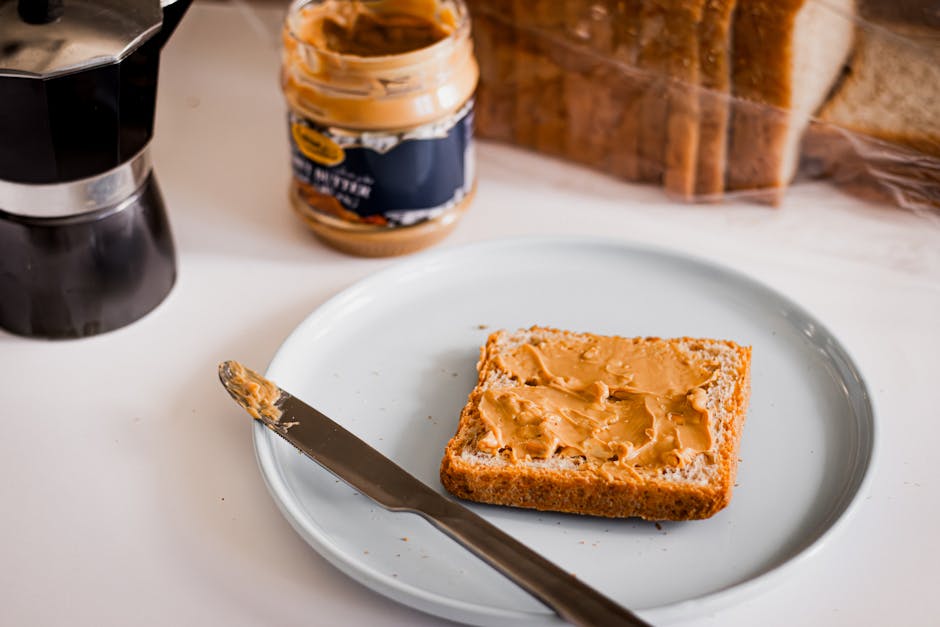
Peanut allergies face different obstacles. Peanuts appear visibly in many dishes, but the hidden danger is peanut oil. It's the most common cooking oil across China and forms the base of chili oil, that ubiquitous condiment drizzled over everything from dumplings to noodles. A traveler on Reddit described the exact scenario that keeps allergic visitors awake at night: asking whether a dish contains peanuts, being told no, then discovering later that peanut oil was used throughout.
Shellfish presents its own complications, particularly in coastal regions like Xiamen, where one traveler with multiple allergies found seafood so dominant that he could identify almost nothing safe to eat beyond plain rice and grilled meat—and even then, cross-contamination concerns kept him from ordering it.
Translation Tools That Actually Work With Restaurant Staff
The gap between having an allergy card and having staff understand it is where many travelers stumble. Picture-based menus help, but they're not enough. You need layered communication strategies that account for both language and cultural translation.
Physical allergy cards remain essential. Kyle Dine, who traveled China with his celiac wife while managing his own severe allergies to peanuts, tree nuts, eggs, fish, shellfish, and mustard, relied heavily on printed cards that kitchen staff could read and keep. His approach was methodical: point to menu items, hand over the card, confirm understanding. This worked at a small marketplace restaurant with an English menu—rare enough in his city that they returned two weeks later for the exact same meal.
Key phrases to master or print:
- 我对坚果/花生过敏 (Wǒ duì jiānguǒ/huāshēng guòmǐn) — "I am allergic to nuts/peanuts"
- 这个菜有没有坚果? (Zhège cài yǒu méiyǒu jiānguǒ?) — "Does this dish have any nuts?"
- 不放坚果/花生 (Bú fàng jiānguǒ/huāshēng) — "Don't add nuts/peanuts"
- 如果我吃花生,我会死了 (Rúguǒ wǒ chī huāshēng, wǒ huì sǐle) — "If I eat peanuts, I will die"
That final phrase may seem dramatic, but in a context where allergies are poorly understood, clarity about severity saves lives. The directness translates across cultural gaps better than nuanced explanation.
Apps and digital tools supplement but don't replace physical cards. Translation apps help with real-time communication, though connectivity issues and the complexity of food terminology limit their reliability. The most effective approach combines multiple methods: show the card, say the phrase, have the app ready as backup.
Regional Cuisines: Where to Go and What to Avoid
Your geographic choices significantly shape your dining safety. China's regional diversity isn't just about flavor profiles—it determines ingredient prevalence and cooking methods that can make specific allergies more or less manageable.
Coastal regions demand shellfish vigilance. Xiamen, the island city where Dine spent three weeks, exemplifies this. The abundance of seafood meant hidden shrimp paste in non-seafood dishes, shellfish in soups and noodles used as "minor ingredients," and cross-contamination risks everywhere. For shellfish-allergic travelers, inland cities offer breathing room.
Northern wheat-based cuisines complicate gluten avoidance. Beijing and Shanghai, while offering more international dining options, sit within culinary traditions where wheat noodles, dumpling wrappers, and soy sauce penetration run deep. Gluten isn't just in obvious bread products—it's added to rice bread and buns for elasticity, and forms the basis of faux meat products at vegetarian restaurants that might otherwise seem safe.
The soy sauce problem has no easy geographic fix. Unlike peanut oil prevalence, which varies by region, soy sauce appears nationwide. Travelers with celiac disease report success at higher-end establishments like Four Seasons Beijing, where restaurant managers and chefs "went above and beyond"—cooking food separately, packing meals for competition days, and labeling all team dinner ingredients with allergens. But this level of accommodation requires advance planning and property selection.
Chain restaurants with English-speaking staff offer predictable safety. One Spokin reviewer highlighted a small Peking duck chain with locations across China where staff "speak and understand English well." The reviewer, managing celiac plus nine other allergies including peanut, tree nut, milk, soy, wheat, and shellfish, chose vegetarian options to simplify matters while noting that meat dishes were likely possible with negotiation. The key insight: brown sauces meant soy sauce, so she avoided them entirely.
Pre-Trip Medical Preparation and Emergency Access
China's healthcare system handles emergencies capably in major cities, but preparation dramatically improves outcomes for allergic travelers.
Medication preparation starts before departure. Bring more epinephrine auto-injectors than you think necessary—travel delays, temperature exposure, and the difficulty of replacing them locally make redundancy essential. Antihistamines for mild reactions should travel in multiple locations: carry-on, checked luggage, day bag.
Document translation extends beyond restaurant cards. Medical documentation of your allergies, translated into Mandarin, accelerates emergency care if needed. Include specific reaction types, your usual treatment protocols, and emergency contact information. Major international hospitals in Beijing, Shanghai, and Guangzhou have English-speaking staff, but local facilities may not.
Emergency care access varies by city tier. First-tier cities (Beijing, Shanghai, Shenzhen, Guangzhou) offer international-standard hospitals with allergy specialists. Second and third-tier cities may lack both English capability and familiarity with anaphylaxis protocols. Know the nearest international hospital to your accommodations before you need it.
Travel insurance scrutiny matters. Verify that your policy covers pre-existing conditions including food allergies, and understand their requirements for documentation if you need to make a claim. Some policies exclude "adventurous eating" or require specific notification protocols for high-risk activities—which dining with severe allergies might arguably become.
Vetting Hotels and Tour Operators for Genuine Allergy Accommodation
The difference between properties that claim allergy accommodation and those that deliver it can be the difference between a managed trip and a medical emergency.
Hotel selection criteria should be specific and verifiable. The Four Seasons Beijing example illustrates what genuine accommodation looks like: restaurant manager and chef involvement in safety planning, separate cooking facilities, packed meals for days when restaurant dining isn't practical, daily check-ins, and ingredient labeling at group meals. When researching properties, ask directly whether they can provide these elements. Vague assurances of "allergy-friendly" service without specifics should raise red flags.
Communication before arrival separates professionals from pretenders. Email your allergies in detail, request confirmation of understanding, and ask specific questions about their protocols. Properties that respond with generic reassurances haven't thought through the operational requirements. Those that ask clarifying questions—about severity, specific ingredients, cross-contamination concerns—demonstrate genuine experience.
Tour operators require similar scrutiny. Group travel with set meal plans offers both risk and opportunity. The risk is loss of control over food sourcing; the opportunity is advance planning with operators who can negotiate kitchen protocols at multiple stops. University trip organizers, like the student planning 25 days across Beijing, Guangzhou, and Shanghai with celiac disease and peanut allergy, should demand detailed meal planning documentation and emergency protocols before departure.
Self-catering as reliable fallback. Dine and his wife ate all three meals in their hotel room for most of their three-week stay. Breakfast was corn flakes brought from home with milk, bread and jam. Lunch and dinner featured rice with gluten-free soy sauce carried from home. This isn't travel failure—it's travel adaptation. Properties with kitchenettes or at minimum refrigerators and microwaves enable this strategy. When researching accommodations, verify these amenities explicitly; Chinese hotel room configurations vary enormously.
The Mindset Shift: From Dining Out to Dining Safe
The travelers who thrive in China with food allergies share a common trait: they've abandoned the expectation that travel means constant restaurant exploration. This isn't surrender—it's strategic prioritization of experience over convention.
The marketplace restaurant with English menu and pizza became Dine's anchor not because it offered authentic Chinese cuisine, but because it offered predictable safety. The Peking duck chain worked for the multi-allergy reviewer because she could communicate and trust the response. CoCo Tea Drinks appears on allergy-friendly lists not for culinary ambition but for beverage consistency in a country where even drinks can hide allergens.
Your memorable China experiences won't come from risking your health at questionable street stalls. They'll come from walking the Great Wall without worrying about your next meal, exploring the Forbidden City with energy rather than antihistamine fog, and engaging with Chinese culture through avenues that don't pass through your digestive system.
The country rewards preparation. Travelers who arrive with translated cards, researched properties, backup food supplies, and realistic expectations about dining frequency report successful, even joyful, journeys. Those who assume allergy awareness will match Western standards—or who prioritize culinary adventurousness over medical safety—risk turning their trip into a series of anxiety-inducing negotiations with their own immune systems.
China is worth visiting with food allergies. It simply requires visiting differently.
You Might Also Like