China's 2026 April Travel Health Kit: Essential Medications You Can't Buy Locally and How to Pack Them
Essential guide to medications unavailable in Chinese pharmacies, customs documentation requirements, and building a travel health kit for 2-4 week China trips.
The Medication Gap: What You Won't Find in Chinese Pharmacies
Walk into any Chinese pharmacy and you'll find shelves stocked with familiar categories: antibiotics, pain relievers, cold remedies, stomach soothers, and allergy medications. What you won't find are many Western formulations that travelers from North America and Europe rely on daily. This disconnect catches thousands of visitors off guard every year, turning manageable conditions into trip-derailing emergencies.
The reality is stark: China restricts or outright bans numerous medications common elsewhere. Pseudoephedrine-based cold medicines like Sudafed? Prohibited. ADHD medications including Adderall, Ritalin, and Vyvanse? Essentially banned with rare exceptions. Codeine products, common in pain and cough syrups? Controlled substances. Even CBD oil, legal in dozens of countries, carries serious criminal penalties in China under zero-tolerance cannabis policies.
For travelers with chronic conditions, this isn't an inconvenience—it's a planning imperative. The counterfeit medication problem compounds the risk. According to U.S. State Department guidance, fake drugs in China may contain wrong strengths, dangerous ingredients, or no active compounds at all. When your health depends on consistent dosing, "probably fine" isn't a gamble worth taking.
Building Your Core Travel Health Kit
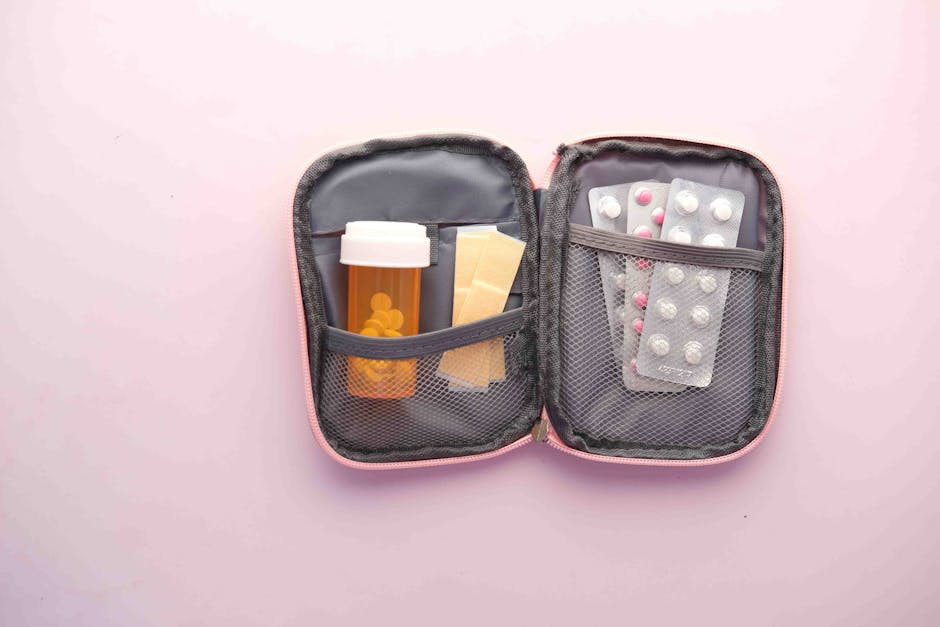
A well-stocked kit for a 2-4 week China trip balances preparation against portability. You need enough to handle common ailments without weighing yourself down with a mobile pharmacy.
Start with the basics: pain and fever reducers like acetaminophen or ibuprofen, decongestants that don't contain pseudoephedrine, anti-diarrheal medication, and any personal staples you reach for at home. The CDC's Healthy Travel Packing List for China specifically recommends including condoms, tampons, and birth control pills—items that may be available locally but with unfamiliar brands or sizing.
For prescription-dependent travelers, the math is simple: bring your entire trip's supply plus a 3-5 day buffer. Don't assume you can refill abroad. Even when Chinese hospitals can prescribe alternatives, the process requires visiting an international clinic, presenting documentation, and navigating unfamiliar systems while potentially unwell.
Pack everything in your carry-on. Temperature-controlled cabin storage protects sensitive medications, and you'll have immediate access for security explanations. Lost luggage is frustrating; lost medication in a country where you can't replace it is a crisis.
Documentation: Your Paperwork Armor
Chinese customs doesn't operate on trust—it operates on documentation. For any prescription medication, assemble a file containing: a doctor's letter with your name, medication names (both generic and brand), dosage, medical necessity, and explicit statement that it's for personal use; copies of your prescriptions; and original pharmacy packaging with labels intact.
Controlled substances demand additional preparation. Contact the Chinese Embassy in your home country before travel, explain your specific medications, request documentation requirements in writing, and obtain approval letters if advised. One traveler documented on Shanghai's official government portal brought 39 tablets of methylphenidate and bupropion for a multi-country trip, carrying EU medication travel forms, doctor's letters, prescriptions, and flight proofs for destinations beyond China. Even with this thorough preparation, embassy pre-clearance remained advisable.
The State Department's guidance is unambiguous: "Exercise extreme caution when carrying" restricted medications, and "review China's rules on medication with the Embassy of the People's Republic of China" before departure. Written confirmation from embassy officials isn't overcautious—it's your insurance against confiscation or detention.
Special Cases Requiring Extra Attention
ADHD travelers face particularly complex decisions. Stimulant medications are essentially unavailable in China. Your options are limited and imperfect: discuss non-stimulant alternatives with your physician before departure, consider a supervised medication break if clinically appropriate, or pursue the arduous path of official documentation with full expectation of scrutiny at every checkpoint.
Injectable medications like insulin require similar planning. While theoretically available, supply chains vary dramatically by city. International clinics in Beijing, Shanghai, and Guangzhou offer more reliable access, but rural or secondary city travel demands complete self-sufficiency.
Epinephrine auto-injectors (EpiPens) occupy a gray zone. The State Department notes China restricts epinephrine purchase and use, making traveler-carried supplies essential for severe allergy management. Pack multiple units if your allergy risks are significant—replacement will be complicated.
When Illness Strikes: Telemedicine and Care Access
Despite meticulous preparation, illness happens. China's telemedicine infrastructure has expanded dramatically, offering travelers alternatives to hospital navigation.
For minor ailments, international clinic telehealth services allow English-speaking consultations without leaving your hotel. Apps like WeDoctor and Ping An Good Doctor connect users to licensed physicians, though English fluency varies. Premium international hospitals—United Family Healthcare, Parkway Health, and their competitors—offer telemedicine specifically designed for expatriates and visitors, with transparent pricing and Western-trained physicians.
For conditions requiring physical examination, international hospital clinics remain your best option. They understand traveler insurance, maintain electronic medical records compatible with Western systems, and can prescribe medications that local pharmacies may not stock. The trade-off is cost: consultations typically run 800-1,500 RMB ($110-210 USD) before tests or treatments, making comprehensive travel insurance essential.
Longer-term visitors should establish continuity of care. The University of Florida Health's China guidance recommends identifying one healthcare facility and primary physician for stays exceeding one year. This reduces medical errors, improves health outcomes, and provides a knowledgeable contact for vaccination updates and local risk information—from Japanese Encephalitis patterns (June through October, all provinces except Tibet, Xinjiang, and Qinghai) to tickborne encephalitis risks in northeast China.
Pre-Departure Health Preparation
Your medication kit is only one component of travel health readiness. Vaccination status requires review 4-6 weeks before departure.
Routine immunizations—MMR, diphtheria-tetanus-pertussis, polio, influenza, COVID-19—should be current. Hepatitis A and typhoid vaccines are recommended for most travelers due to food and water transmission risks. Hepatitis B protection is advised for all unvaccinated visitors. Japanese Encephalitis vaccination depends on itinerary: essential for rural travel during summer months, less critical for urban winter visits. Rabies pre-exposure vaccination warrants consideration for extended stays or animal contact likelihood.
Your pre-travel physician visit should also address medication interactions with travel-specific prophylaxis, documentation needs for your specific conditions, and emergency prescription protocols if your primary supply is lost or stolen.
Final Reality Check
China's medication regulations aren't arbitrary obstacles—they reflect genuine public health concerns about stimulant abuse, pseudoephedrine diversion, and counterfeit pharmaceuticals. Respect the system, prepare meticulously, and your health needs become manageable logistics rather than trip-threatening complications.
The travelers who struggle are those who assume pharmaceutical equivalence between home and destination. They're the ones searching desperately for Adderall alternatives in Shanghai, explaining CBD possession to customs officials, or discovering their go-to cold medicine is contraband. Don't be that traveler. Pack smart, document thoroughly, and travel with confidence that your health needs are covered—because in China's complex medical landscape, self-sufficiency isn't paranoia. It's essential preparation.
You Might Also Like